Broj tek çocuklu aileler artıyor ve bu durum yaşam maliyetlerinin yüksekliği, geç kalmış ebeveynliği ve çocuğun daha az sosyal baskı altında büyümesiyle ilişkilendiriliyor. Bu tür aileler giderek yaygınlaşıyor olsa da, "tek çocuk sendromu" hakkındaki önyargılar hala var.
Psihijatar Dr. Alen Masri, All in Solutions kurumunun tıbbi direktörü, Newsweek'e yaptığı açıklamada araştırmaların tek çocukların kendilerini daha yalnız, huysuz veya sosyal açıdan yetersiz hissetmediklerini gösterdiğini belirtti.
Masri, çocuğun gelişimi için ebeveynlik tarzı, aile ilişkileri ve mizacı gibi faktörlerin tek çocukluktan çok daha önemli olduğunu açıklıyor.
Psikolog RejÄel Loftin de Newsweek'e yaptığı açıklamada, araştırmaların genel olarak tek çocukların psikolojik olarak sağlıklı, sosyal açıdan yetenekli ve diğer çocuklarla yetişenlerle aynı şekilde uyum sağladıklarını gösterdiğini söyledi. Gerçek farklar, önyargılar tarafından öne sürüldüğü kadar küçük olduğunu ekliyor.
Tek çocukların sosyalleşme şekli konusunda bir fark gözlemlenebilir. Masri, evde genellikle yetişkinlerle iletişim kurdukları için, tek çocukların yaşlılarla konuşmayı daha erken yaşta doğal bir şekilde öğrenme eğiliminde olduklarını belirtiyor. Bu durum, zengin bir kelime dağarcığı edinmelerine ve yetişkinlerle olan diyaloglara daha kolay katılmalarına yardımcı olabilir.
Loftin, bu deneyimlerin bazen çocuğun "daha hızlı büyüdüğü" şeklinde yanlış anlaşılabileceğini ancak bunun duygusal olarak olgunlaşmış olduğu anlamına gelmediğini vurguluyor. Sadece farklı bir iletişim tarzına alışkın olduklarını belirtiyorThe clinical psychologist Dr Liz Nisim explains that for only children growing up in a peaceful home environment, the presence of a group of children or frequent sibling conflicts can be draining. Because of this, some prefer to turn to close friendships, older friends, or adults. Nisim emphasizes that this doesn't mean they have weaker social skills, but simply that a different type of relationship suits them better.
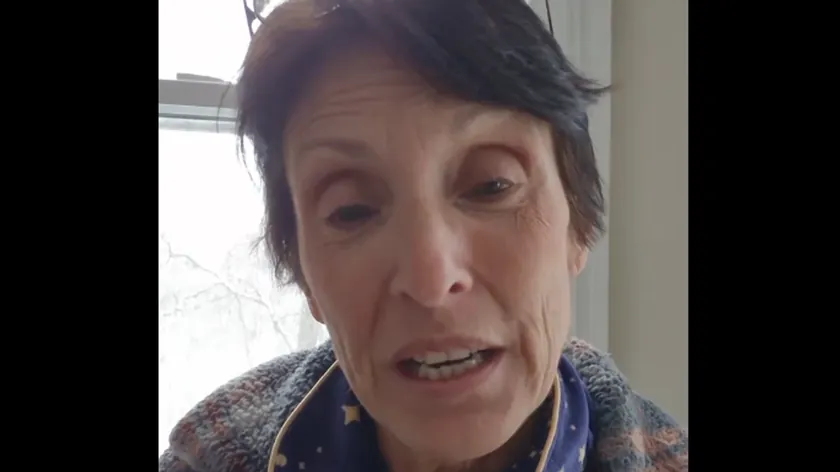
A similar experience is described in a viral TikTok video. User @pumpkintoadlet68 said that sometimes only children feel like an "extra" in the adult world, but that because of this, talking to adults can be more relaxed for them. At the same time, he mentioned that being surrounded by other children can overwhelm them.
The video garnered over 10,000 comments, with many only children agreeing with his observations.
Dr Tracy King, a clinical psychologist and family law expert, referred to a 2025 study published in the journal Nature Human Behaviour. The research did not find evidence that growing up without siblings alone brings psychological deficits. On the contrary, certain advantages related to cognitive abilities and mental resilience were observed.
King emphasizes that most of the differences between children stem from the quality of parental care, family support, home environment, and socio-economic circumstances, rather than simply being an only child.
Psychologists agree that the environment in which a child grows up has a much stronger influence on their development than the number of siblings they have.
"An only child who has a secure relationship with their parents and a developed social life can have a completely different experience than a child who is isolated, overprotected, emotionally pushed into an adult role or carries the burden of all family expectations," King says.
Nisim provides a similar example when talking about independence. Only children often develop this trait because they don't have someone to rely on in everyday life as siblings might. However, whether this independence becomes healthy autonomy or grows into an excessive need to please others largely depends on the parents. Some parents, for example, may overprotect their only child or unconsciously impose unrealistic expectations on them.
Loftin also warns that inherent temperament or developmental characteristics should not be attributed to being an only child. "ADHD or autism can certainly affect how a child experiences relationships with peers, sensory overload, or communication with adults, but these are characteristics of a neurodevelopmental condition, not a consequence of being an only child," she explained.
Increased parental attention can positively influence a child's self-confidence, but it can also have a downside. Nisim points out that a child accustomed to having their needs quickly recognized and met may expect the same dynamic in other relationships later on. This can create difficulties in romantic relationships where needs and expectations need to be aligned with another person.
Dr Linda Dolin, medical director of the Sylvia Brafman center, adds that socio-economic circumstances often have a greater impact than the number of children in a family. An only child whose parent works multiple jobs or travels frequently may spend less time with their parents than a child from a larger family. Such circumstances can accelerate maturity but also increase anxiety and make it harder to set boundaries in relationships, Dolin told Newsweek.
The conclusion of psychologists is clear: being an only child is neither a personality type nor a diagnosis. It's simply one of life's circumstances that, along with upbringing, temperament, family dynamics, and other life conditions, can influence a person's development.